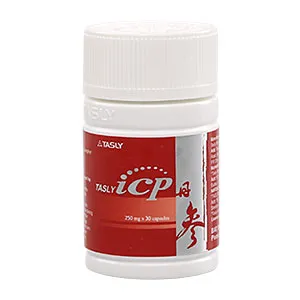
Description
ICP Operations
1. Blood refreshment, which increases microcirculation, lowers blood viscosity, and removes waste from the blood
2. Reduce blood vessel blockage, preserve vascular health, and successfully avoid angina brought on by Coronary Heart Disease (CHD) and diabetes consequences.
3. Preserve heart muscles, improve heart function, and protect brain and cardiac vessels on several targets.
Among the benefits of ICP.
- It’s high bioavailability
- Rapid reaction
- Ease of use
- Lack of adverse effects and
- Improved stability.
Target Groups for ICP
• Those seeking to enhance heart function
• Those with angina brought on by CHD
• Individuals with high blood pressure or cholesterol
• People with diabetes and people with a history of congenital heart disease
How long does a course of ICP last?
Can it be taken for a long period of time? A course of ICP for CHD-induced angina is 4 weeks. Further and longtime usage may be allowed by the doctor in accordance with results of examination. Longtime administration is suggested.
What is the difference between oral and sublingual administration?
A. First aid and patients intolerant to gastrointestinal irritation — sublingual administration Sublingual venous plexus is one important route of administration, for water-soluble drugs may quickly enter circulation through the thin mucosa and considerable vessels under the tongue and play their actions. B. Patients disliking the mouthfeel of sublingual administration — oraladministration Before going into circulation, an orally administered drug must pass through the stomach, the liver, the main site of drug breakdown, and the intestine, experiencing the first-pass effect. As a result, some of the active substances are removed from the blood and the concentration of the drug is reduced. Comparatively speaking, the bioavailability of a drug sublingually administered is higher than that orally administered.
Why does it alleviate angina so rapidly?
1) Dripping pill dosage form: components are distributed throughout the substrate as molecules or small crystals, which aid in enhancing absorption, reducing the duration of action, and boosting bioavailability.
2) Sublingual administration: through the lingual mucosa, immediately absorbed into the circulation.
3) Borneol: reduces the duration of action, widens the coronary arteries, and eliminates discomfort.
4) Pharmaceutical innovation (GEP): to increase efficacy, extract and refine water-soluble chemicals.
For what kinds of people is it UNFIT?
Women who are pregnant or nursing: ICP should be used carefully in pregnant women because it increases circulation and breaks stasis, and nursing women should heed their doctor’s recommendations.
Children: There is published evidence that ICP can be administered to children. With an ORR of 90.5%, ICP has been used for 42 pediatric bronchitis or pneumonia patients, which is higher tha n that of traditional anti-infective treatments.
What foods are prohibited while using it?
Patients with CHD should abstain from eating fatty meats, fats, and animal organs. They should also stop smoking and limit their alcohol intake. Therefore, as little high-cholesterol diet as feasible should be consumed while using ICP. This does not imply that ICP and certain foods are incompatible, but rather that those with cardiovascular illness should avoid them.
Does it apply to people who have cancer?
ICP may be used by cancer patients who want to enhance microcirculation and safeguard their hearts.
Does ICP work well for chest pain?
You should see a doctor for a diagnosis and any required tests because there are several possible causes of chest pain. ICP will be your greatest option if you have been diagnosed with CHD.
ICP has been used worldwide to lower blood lipid levels and relieve arteriosclerotic plaques; recent expert studies have found that ICP shrinks arteriosclerotic plaques in the carotid artery. These scientific findings are extremely important for us humans because they dispel the myth that arteriosclerotic plaques never get smaller.
Is there any scientific proof for ICP relieving arteriosclerosis?
Worldwide application of ICP has shown that ICP does lower blood lipid levels and relieve arteriosclerotic plaques. Studies by experts in recent years find that ICP shrinks arteriosclerotic plaques in the carotid artery. These scientific findings are really significant for us human beings, for they change the previous impression that arteriosclerotic plaques never turn small.



Reviews
There are no reviews yet.